
Picture this: a packed stadium, the roar of the crowd deafening, as two titans of Italian football clash in a battle for supremacy. This isn’t just any game; it’s the Derby d’Italia, a showdown steeped in history, passion, and fierce competition. Think back to when Juventus, after facing some issues, played against Inter, a game filled with controversial calls and dramatic shifts in momentum – moments like these have written the Derby d’Italia into legend.
Unlike local derbies fueled by geographical proximity, the Derby d’Italia transcends city limits. It’s a clash of national giants, Juventus and Inter Milan, the two most decorated clubs in Italian football history. More than just a game, it’s a cultural event, a spectacle that captivates the nation. The stakes are always high, the atmosphere electric, and the consequences far-reaching.
This enduring rivalry has produced countless memorable matches, legendary players, and controversial moments. We are going to unpack the layers of this captivating rivalry and reveal what makes the Derby d’Italia so special.
A Clash of Titans: Unveiling the Derby d’Italia
The Derby d’Italia, pitting Juventus against Inter Milan, is more than just a game; it’s a historical clash built on years of competition and contrasting identities. To understand this enduring rivalry, one must delve into the origins of these two Italian football giants.
Juventus, founded in 1897 in Turin, quickly rose to prominence, establishing itself as a force to be reckoned with in the nascent Italian football league, which would eventually become Serie A. The club’s early dominance set a high bar, attracting a loyal following and establishing a winning tradition that persists to this day. Inter Milan, established in 1908, emerged from a breakaway faction of AC Milan, fueled by a desire for a more inclusive and international approach to the sport. This ambition shaped the club’s identity and set the stage for a competitive dynamic with the already established Juventus.
The early encounters between Juventus and Inter were more than just matches; they were symbolic battles between two clubs with distinct visions for Italian football. As Juventus continued to assert its dominance, Inter Milan, backed by considerable resources and a burning desire to challenge the established order, sought to disrupt its hegemony. These initial meetings, often marked by fierce competition and strategic maneuvering both on and off the field, laid the foundation for the intense rivalry that defines the Derby d’Italia.
The Genesis of a Grudge
Beyond the goals and the trophies, the rivalry between Juventus and Inter is deeply rooted in socioeconomic and political underpinnings. Juventus, long associated with the Agnelli family and the FIAT industrial empire, has historically drawn support from a broad spectrum of Italian society. Inter Milan, on the other hand, has strong ties to the Moratti family, prominent figures in the oil industry, and has cultivated a following that sees the club as a symbol of Milanese ambition and international flair. These connections to distinct Italian population groups and business interests add another layer of complexity to the Derby d’Italia, transforming it into a powerful symbol of broader societal dynamics.
More Than a Game: Understanding the Intensity
The Derby d’Italia is more than just a football match; it’s a cultural phenomenon, a social battleground, and a reflection of Italy’s complex political landscape. The intense rivalry between Inter Milan and Juventus transcends the sport, resonating deeply within Italian identity and fan culture. Several factors contribute to the unique fervor surrounding this clash. Historically, the Derby d’Italia represents a clash between Italy’s industrial north (Inter) and its more traditional, established power base (Juventus). This geographical and economic divide fuels the passion, with each side seeing itself as the true representative of Italian footballing excellence. The match’s outcome often carries significant weight, impacting not only the Serie A title race but also national pride and bragging rights. The cultural significance is immense, shaping public discourse and influencing perceptions far beyond the football pitch. This creates an atmosphere of exceptional pressure and emotional investment.
The intensity is further stoked by moments of perceived injustice or controversy. Disputed goals, refereeing decisions, and transfer sagas contribute to a narrative of animosity, hardening the feeling of mutual antagonism. The rivalry also finds expression in political influences. Key political events throughout Italian history have been interpreted through the lens of the Derby d’Italia, further intertwining football with national identity and societal tensions. These political layers add a dimension of meaning which elevates the game from a mere sporting contest into a symbolic struggle.
The Ultras Influence
The Ultras, dedicated fan groups, magnify the intense emotions surrounding the Derby d’Italia. Juventus’s Ultras, located in the Curva Sud, and Inter’s Ultras, in the Curva Nord, play a pivotal role in shaping the match day atmosphere. These groups have a deeply rooted history, shaping the clubs’ identities. Their activities include elaborate displays of support, vocal demonstrations, and sometimes controversial behavior aimed at intimidating the opposition. Ultimately, they seek to galvanize their team. Motivations range from a deep-seated love for their club to a strong sense of community and a desire to defend their team’s honor.
Defining Moments and Legendary Figures
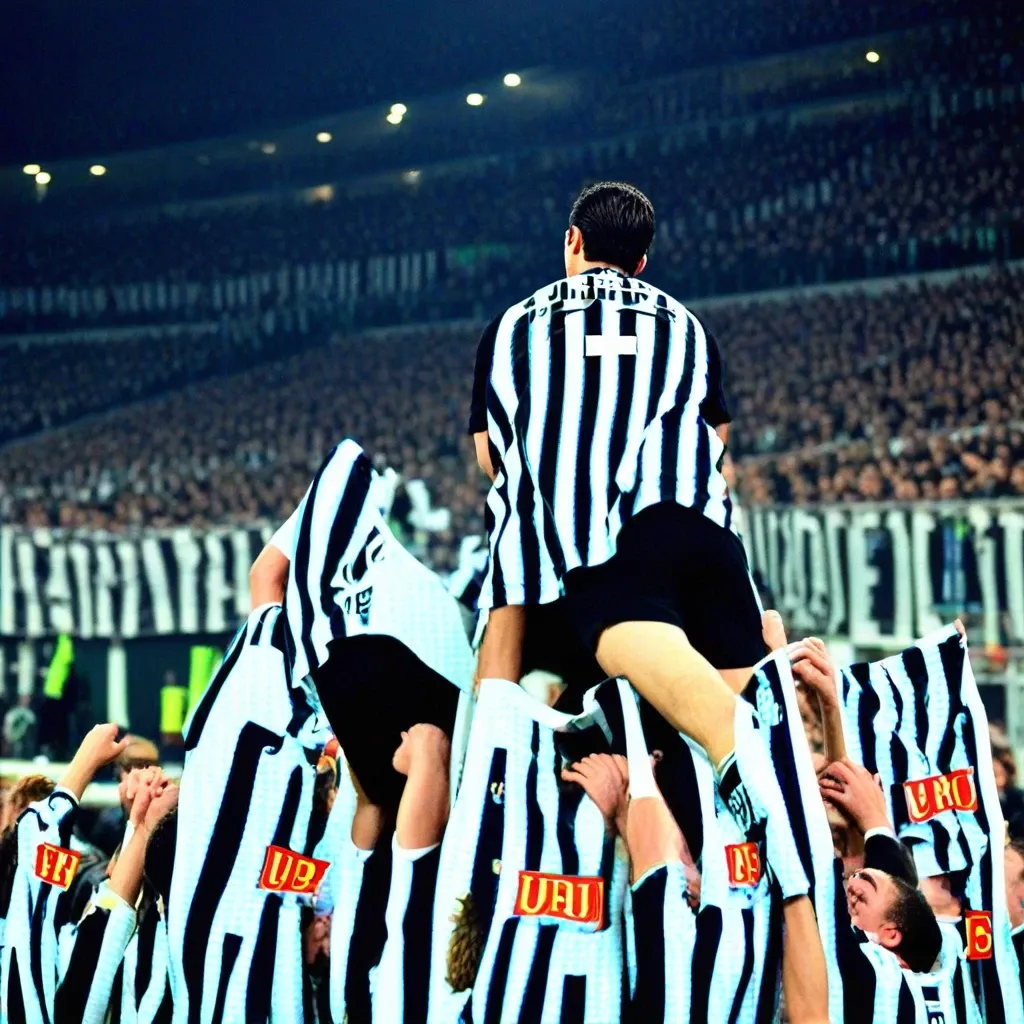
The Derby d’Italia isn’t just a game; it’s a tapestry woven with threads of passion, controversy, and unforgettable moments. Certain matches have transcended mere sporting events, embedding themselves in the collective memory of Serie A. One immediately thinks of the clashes in the late 90s, when Ronaldo, “Il Fenomeno,” led Inter’s attack against a formidable Juventus. His electrifying pace and mesmerizing dribbling left defenders bewildered, creating a spectacle that defined an era. Equally unforgettable are the moments of brilliance from Alessandro Del Piero, whose elegant strikes often decided these high-stakes encounters. His ability to perform under pressure cemented his place as a Juventus legend and a recurring nightmare for Inter fans.
Javier Zanetti, the Inter captain for almost two decades, embodied the spirit of the Nerazzurri. His unwavering commitment and leadership transformed him into a symbol of stability of the team. These players, among others, have not only shaped the Derby d’Italia but have also contributed significantly to the rich history of Italian football.
The atmosphere surrounding these iconic matches is electric. The roar of the crowd, the sea of flags, and the palpable tension create an intimidating environment for players, no matter how experienced they are. Even players who have participated in derbies around the world acknowledge the unique intensity of Derby d’Italia. These games were always more than just three points; they were battles for pride, dominance, and bragging rights.
Calciopoli Fallout
The Calciopoli scandal cast a long shadow over both Inter and Juventus. The fallout resulted in Juventus being stripped of their 2005 and 2006 Serie A titles and relegated to Serie B, while Inter were awarded the 2006 title. This event deepened the divide between the clubs, fueling resentment and suspicion that persist among fans to this day. The scandal altered the landscape of Italian football. Reshaping team dynamics leading to years of rebuilding for Juventus and a period of dominance for Inter.
Tactical Battles and Managerial Masterclasses
The Derby d’Italia is more than just a clash of titans; it’s a proving ground for tactical innovation and managerial acumen. The sidelines become chessboards, and the managers, the grandmasters orchestrating their teams to victory. Success in this high-stakes encounter hinges not only on player performance but also on the strategic blueprint laid out before the first whistle.
Tactical analysis of past derbies reveals a fascinating evolution of game plans. We’ve witnessed defensive masterclasses built around stifling key players, and explosive attacking formations designed to overwhelm the opposition. The choice of formation – whether a solid 3-5-2, a balanced 4-4-2, or an adventurous 4-3-3 – often dictates the flow of the match. Each setup brings its own set of strengths and vulnerabilities, forcing the opposing manager to react and adapt.
Consider the impact of managerial philosophies. One coach might prioritize possession and patient build-up play, aiming to control the tempo and starve the opposition of opportunities. Another might favor a high-pressing, counter-attacking style, exploiting any defensive lapse with lightning speed. The contrasting approaches create a captivating tactical duel, a battle of wits as each manager attempts to outmaneuver the other.
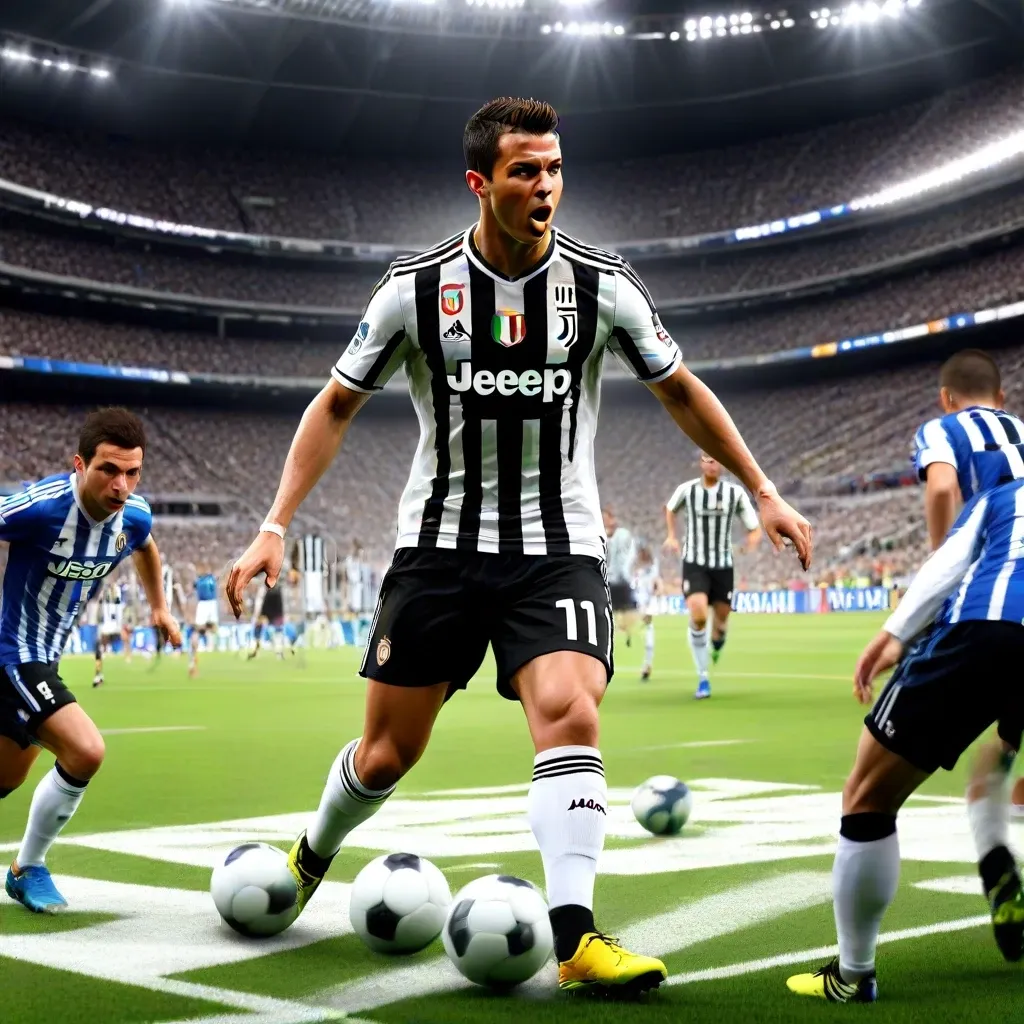
Key players are, of course, integral to any game plan, but it’s how they are utilized that truly matters. A manager might deploy a star striker as a lone target man, relying on his physicality and finishing ability. Or, they might opt for a more fluid attacking system, encouraging midfielders and wingers to interchange positions and create passing triangles. The tactical setup should accentuate each player’s strengths while minimizing their weaknesses. Furthermore, great coaches prepare to adjust their game plan according to how the match plays out. This involves, in-game, being able to analyze the game, and effectively relaying instructions to their squad.
The Derby’s Impact on Serie A and Beyond
The Derby d’Italia’s significance extends far beyond a single match, creating ripples throughout the entire Serie A landscape. The outcome can directly influence the Serie A standings, potentially altering the trajectory of the title race. A victory for either Inter Milan or Juventus not only adds crucial points to their tally but also delivers a psychological blow to their rivals, shifting momentum in the chase for the Scudetto.
Beyond the immediate impact on Serie A, the Derby d’Italia profoundly affects the club influence and global appeal of both Inter Milan and Juventus. The rivalry holds substantial economic impact, driving revenue through broadcasting rights, merchandise sales, and sponsorships. Strong performances in the Derby enhance brand recognition on a global scale, attracting lucrative deals and further solidifying the clubs’ financial positions. This, in turn, allows them to invest in talent and infrastructure, perpetuating their dominance in Italian football.
The Derby d’Italia significantly boosts the perception of Italian football internationally. The fierce competition, tactical battles, and star-studded lineups draw viewership from around the world, showcasing the quality and passion of Serie A. The extensive media coverage surrounding the match generates buzz and excitement, attracting new fans and investors to Italian football. Consequently, the Derby solidifies Serie A’s place among the top football leagues worldwide.
Looking Ahead: The Future of the Derby d’Italia
Predicting the future of the Derby d’Italia is like gazing into a crystal ball fueled by espresso and tactical formations. Several factors are poised to shape this historic rivalry in the years to come. Keep an eye on the emerging young talents within both Juventus and Inter Milan. These rising stars could very well become the protagonists of future clashes, etching their names into Derby folklore with stunning goals and game-changing plays.
Managerial shifts will undoubtedly play a crucial role. As coaching philosophies evolve, expect to see new strategies and tactical innovations deployed on the pitch. The Derby d’Italia has always been a proving ground for coaching brilliance, and this trend will only intensify. The financial stability of both clubs, coupled with Serie A’s ongoing commercialization efforts, will also influence the future. Increased revenue could lead to bigger signings and further investment in youth academies, potentially reshaping the competitive landscape.
Looking ahead, expect unpredictable title races, fueled by memorable Derby moments. It is expected that this rivalry will continue to produce drama, passion, and unforgettable storylines for years to come. The Derby d’Italia’s future is bright, brimming with potential and poised to captivate a new generation of football fans.
Conclusion
The Derby d’Italia is more than just a game; it’s a visceral experience, a clash of titans steeped in history and fueled by unwavering passion. The legacy of legendary encounters, controversial moments, and the sheer intensity on the pitch have solidified its place as the pinnacle of Serie A rivalries. This electrifying contest between Inter and Juventus continues to captivate fans worldwide, showcasing the heart and soul of Italian football. The Derby d’Italia’s significance extends beyond mere points on the table; it’s a cultural phenomenon that embodies the competitive spirit and enduring allure of the beautiful game. Its legacy is etched in football history for all time.